250 Years of Liberty – Part IV: Why the American Experiment Still Works
As America commemorates the 250th anniversary of its independence, Part IV of 250 Years of Liberty explores why the American experiment has endured through war, economic hardship, political division, and social change. Discover how the Constitution, federalism, free enterprise, the rule of law, and the resilience of ordinary citizens have enabled the United States to adapt, reform, and preserve liberty for nearly two and a half centuries.
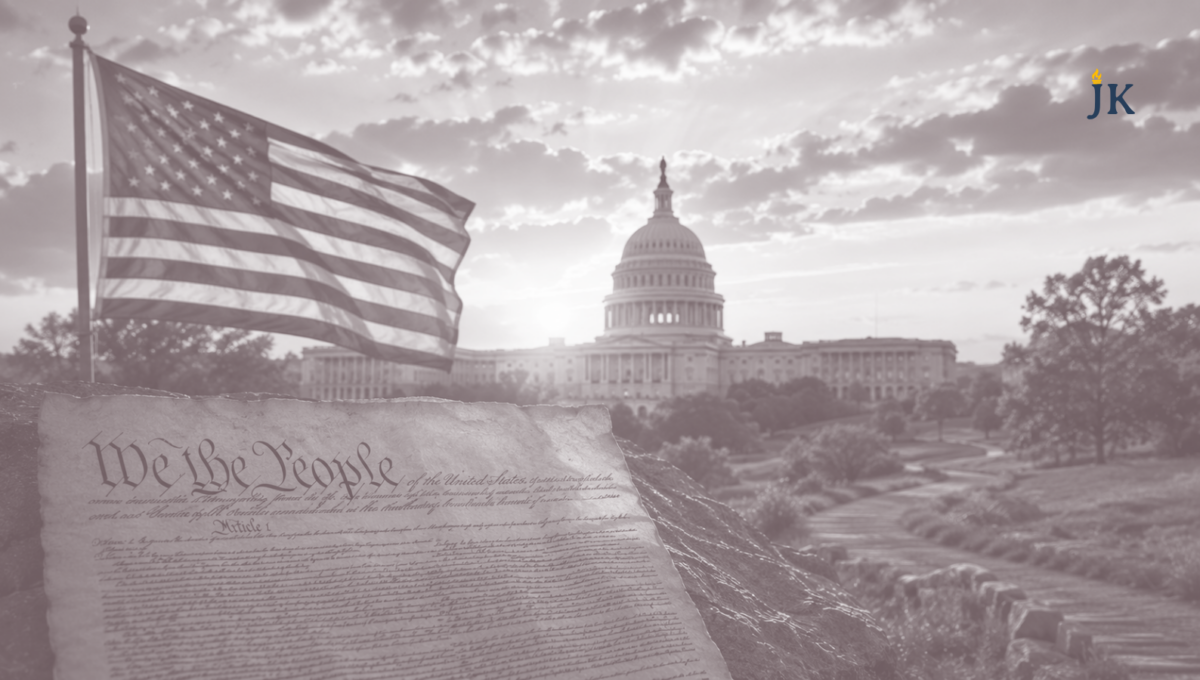
For nearly 250 years, critics have predicted the American experiment would fail.
Some believed the republic would collapse before the Constitution was even ratified. Others thought political parties would destroy it. Still others believed sectional conflict would end it.
The Civil War nearly did. Economic depression tested it. Two world wars demanded extraordinary sacrifice. The Cold War challenged its resolve. Acts of terrorism shook its confidence.
Today, many wonder whether political polarization, technological change, and declining trust have placed the republic in irreversible decline.
History suggests we should be cautious before making that prediction. The American experiment has faced moments every bit as uncertain as our own.
Yet it has endured, not because Americans have always agreed, not because our leaders have always been wise, and certainly not because our nation has been without flaws.
It has endured because the principles upon which it was founded have proven remarkably resilient.
A Republic Designed to Adapt
One of the Constitution’s greatest achievements is that it was designed to last.
The Founders understood they could not anticipate every challenge future generations would face. They had never seen railroads. Electricity. Airplanes. The internet. Artificial intelligence.
Yet they created a framework capable of governing through all of them.
The Constitution provides stability without demanding rigidity. Its principles remain constant. Its application allows room for thoughtful debate, legislation, judicial interpretation, and constitutional amendment.

That balance has allowed America to evolve while remaining anchored to the rule of law. Few governments in history have demonstrated such durability.
Reform Without Revolution
History is often written in revolutions. America’s story is different.
When we have fallen short of our ideals, we have repeatedly sought to correct our course through constitutional means.
The abolition of slavery. The expansion of voting rights. The protection of civil rights. The peaceful transfer of power after fiercely contested elections.
These achievements were not signs that the American experiment had failed. They were evidence that the experiment possessed the capacity for self-correction.
The Declaration of Independence established principles that future generations could invoke when demanding a more faithful application of liberty.
The Constitution created lawful mechanisms for change. That combination is extraordinarily rare.
Many nations experience change only through violence or authoritarian rule. America has repeatedly demonstrated that meaningful reform can occur within the framework of CONSTITUTIONAL GOVERNMENT.
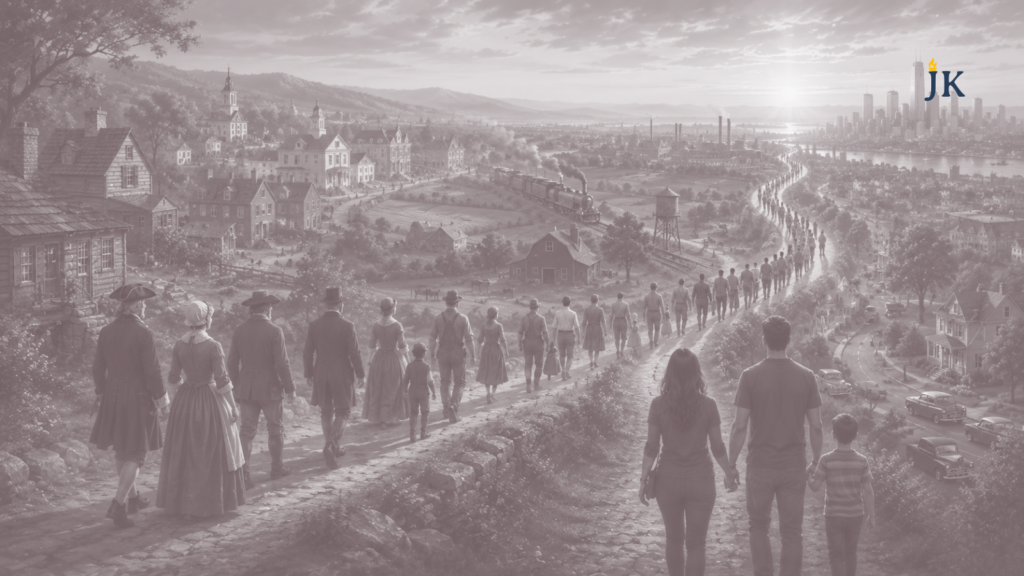
Innovation Flourishes Where Liberty Exists
Political liberty has always been closely connected to human flourishing.
The freedom to speak encourages new ideas. The freedom to build businesses encourages innovation. The protection of private property rewards creativity and investment. The rule of law provides confidence that agreements will be honored.
These conditions have helped transform a small collection of former colonies into one of the world’s most dynamic societies.
American innovation has reshaped agriculture, medicine, transportation, communications, manufacturing, computing, and space exploration.
None of these accomplishments belongs exclusively to the government. They belong to millions of free people pursuing opportunity.
That is one of liberty’s greatest strengths. It UNLEASHES human potential that centralized systems struggle to replicate.

Unity Without Uniformity
Perhaps America’s greatest achievement has not been avoiding disagreement. It has been learning how to live with it.
Ours is a nation of different faiths. Different backgrounds. Different regions. Different traditions. Different opinions.
The Founders never expected complete agreement; instead, they created institutions capable of managing disagreement peacefully.
Federalism allows states to pursue different approaches. Free speech allows ideas to compete openly. Regular elections allow citizens to hold leaders accountable. Independent courts apply the law.
A written Constitution establishes common rules even when political passions run high.
These institutions do not eliminate conflict. They channel it.
That distinction has helped preserve liberty through generations of profound change.
Ordinary Americans Have Always Been the Difference
History often celebrates presidents, generals, inventors, and famous statesmen. They deserve recognition, but they are not the reason the American experiment has endured.
It has endured because millions of ordinary Americans quietly accepted extraordinary responsibilities.
Parents raise children. Teachers educated future citizens. Farmers fed communities. Entrepreneurs created opportunity. Workers built industries. Soldiers defended freedom. First responders answered difficult calls. Volunteers strengthened neighborhoods. Countless individuals contributed in ways that history rarely records.
Yet together they sustained the institutions that make liberty possible. The republic has always BELONGED to them.

250 Years Later
As we celebrate the 250th anniversary of American independence, it is natural to focus on our challenges.
Every generation has had them.
The question has never been whether America will face adversity. The question has always been whether free people remain capable of overcoming it.
For nearly two and a half centuries, the answer has been yes. Not perfectly. Not easily. But consistently.
That history should inspire humility. It should also inspire confidence.
The American experiment does not endure because it guarantees perfect outcomes. It endures because it gives every generation the OPPORTUNITY to improve upon the one that came before.
That is a remarkable inheritance. It is also a PROFOUND responsibility.
Our story is not remarkable because it has been free from hardship. It is remarkable because liberty has proven stronger than hardship.
The American experiment still works, not because it is finished, but because free people continue the work of perfecting it.
“The advancement and diffusion of knowledge is the only guardian of true liberty.” — James Madison
Other Parts in the ‘250 Years of Liberty’ Series:
- Part I: The Idea That Changed the World
- Part II: Why the Founders Distrusted Power
- Part III: Freedom Requires Virtue
- Part V: The Next 250 Years

Jeramy Kitchen
Holding the line in Austin. Analysis of public policy making its way through the process, campaign finance, and the occasional field note from a concerned taxpayer.